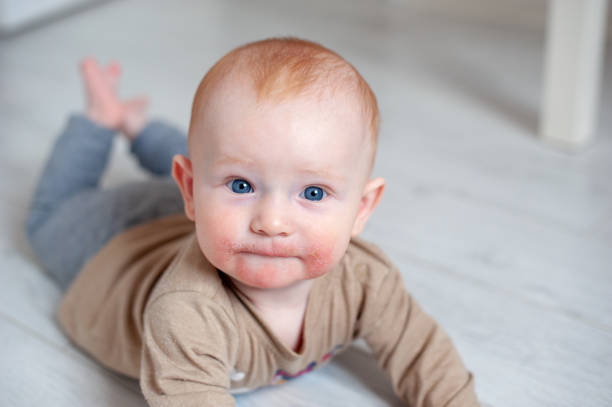
Most babies get eczema at some point, usually before their first birthday.
It’s a common skin problem that causes the skin to become dry, itchy, and cracked. Eczema is not contagious, but it can be uncomfortable for your baby. There are things you can do to help relieve your baby’s symptoms and make him or her more comfortable.
What is eczema and what are the symptoms
Eczema is a skin condition that causes the skin to become dry, itchy, and inflamed. Babies with eczema may have patches of red, scaly skin on their face, scalp, chest, or back.
Causes of eczema
There are many causes of eczema, including genetics, environmental triggers, and the body’s own immune system. Genetic predisposition, environmental allergens, and exposure to irritants can all contribute to eczema.
Treatment of eczema
Treating eczema in babies is important for reducing symptoms and preventing long-term complications. The best way to treat baby eczema is to keep the skin moisturized and use corticosteroid creams or ointments as needed. In some cases, an antihistamine may be prescribed to reduce itching. It’s also important to identify and avoid potential triggers that could make the condition worse.
Preventing flare-ups
It’s important to create an environment that will help prevent eczema flare-ups in babies. This may involve avoiding potential irritants such as soaps, detergents, and chemical-based lotions. Keeping the skin moisturized is also important to reduce itching and inflammation. Finally, it’s important to be aware of any potential triggers that could cause a flare-up, such as pollen or pet dander If you think your baby may have eczema, it’s important to talk to your doctor. A paediatrician can help diagnose the condition and provide treatment that is tailored to your child’s specific needs. With the right care and management, babies with eczema can go on to live happy and healthy lives
By taking proper steps to prevent and treat eczema in babies, parents can help ensure their little one feels comfortable and healthy. With proper care, babies with eczema are likely to have few complications and enjoy a happy childhood.
Products to avoid if you have eczema
If you have a child with eczema, it’s important to be aware of the products that could trigger a flare-up. Soaps, detergents, and chemical-based lotions are all potential irritants that should be avoided. It’s also important to keep the skin moisturized to reduce itching and inflammation. Finally, be aware of any potential triggers that could cause a flare-up, such as pollen or pet dander.
Here is our list of recommendations if your baby has eczema
Use a humidifier
Keeping the air in your home humid can help keep the skin from becoming too dry.
Choose mild and all-natural laundry detergents: Look for detergents that are free of fragrances and dyes as these can irritate sensitive skin.
Use fragrance-free lotions: Lotions or moisturizers with natural ingredients such as aloe vera or coconut oil can help soothe eczema symptoms without irritating the skin.
Avoid potential triggers: Identify and avoid any potential triggers that could make eczema worse, such as pollen, pet dander, or certain fabrics.
See a doctor regularly: It’s important to speak to a healthcare professional if you suspect your baby has eczema so they can
Shower your baby daily
Bathing your baby daily can help soothe and moisturize the skin while avoiding too much water exposure which can irritate eczema-prone skin.
Use gentle cleansers: Look for fragrance-free and hypoallergenic body washes that won’t irritate sensitive skin.
Provide relief from itchy sensations: To reduce itching, use a cool compress or oatmeal baths to provide relief. If these methods don’t work, speak with your doctor about other options such as antihistamines or corticosteroid creams.
By following these tips, parents can help ensure their baby’s eczema is managed properly and leads to fewer flare-ups over time. With the right care and management
Pat skin dry instead of rubbing
After bathing your baby, it’s important to pat their skin dry instead of rubbing it. Rubbing can cause irritation which can make eczema worse.
Use a thicker moisturizer at night. To keep the skin properly hydrated during the night, it’s best to use a thicker moisturizer that won’t rub off easily.
Wear lightweight clothing: It’s important to dress your baby in loose and breathable fabrics such as cotton or bamboo to avoid irritating their sensitive skin.
Take extra care in cold weather: In especially cold climates, wrapping your baby in layers and avoiding windy conditions can help prevent flare-ups due to dry air and low temperatures
Choose fabrics wisely for your baby
Fabrics such as wool, synthetic fibres, and even some cotton materials can irritate sensitive skin. It’s best to stick with softer fabrics such as bamboo or organic cotton for your baby’s clothing.
Avoid over-washing: Overwashing can strip the skin of its natural oils and lead to dryness. Washing every 2 or 3 days is usually enough to keep your baby clean without irritating their skin
These are just a few tips that can help manage eczema in babies. With proper care and management, babies with eczema can go on to live happy and healthy lives. If you think your baby may have eczema, it’s important to talk to your doctor so they can provide treatment that is
Conclusion
Managing eczema in babies can seem like a daunting task, but by following the tips provided above, parents can help ensure their baby’s eczema is properly managed. It’s important to take extra care of your baby’s skin during cold weather conditions and to avoid rubbing their skin dry after bathing. In addition, choosing the right fabrics for your baby’s clothing and avoiding over-washing are both key ways to keep your baby’s skin healthy and free from flare-ups. Finally, be sure to talk to your doctor if you think your baby has eczema so they can provide treatment that is best suited for them.