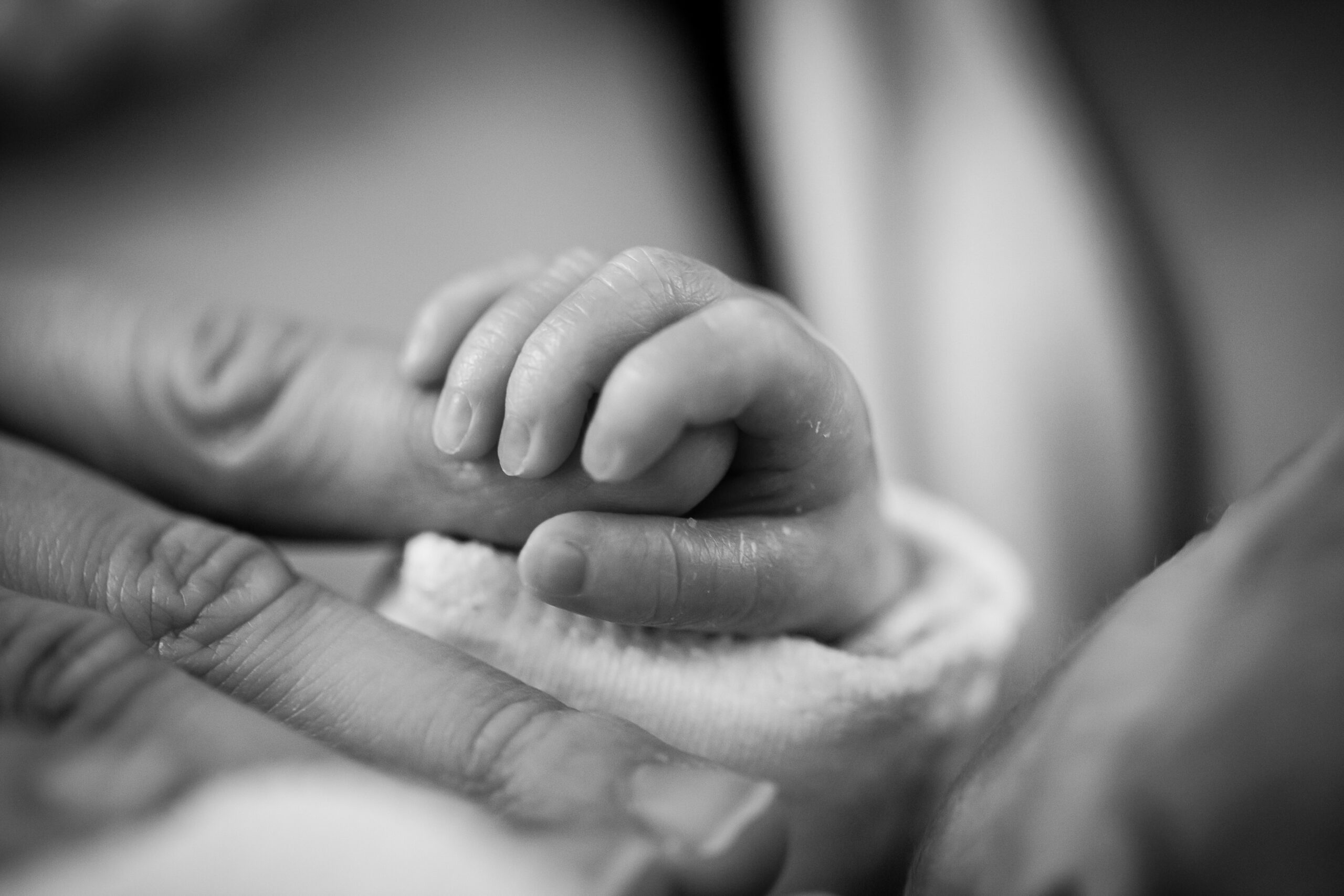
While it is often said that giving birth is one of the most rewarding experiences a woman can have in her life, it can be equally challenging both physically and emotionally.
For many women, post-birth mental health and well-being can be a challenge. It is important to understand the factors that contribute to post-birth mental health and well-being in order to seek appropriate support if needed.
How does postnatal depression affect new mothers and their families?
Postnatal depression is a mental health condition that can affect women after they give birth. It’s thought to be caused by a combination of physical and emotional factors. Around 1 in 7 women experience postnatal depression in the first year after having a baby. Symptoms can include feeling overwhelmed, anxious, sad, or angry. These feelings can make it difficult to bond with your baby and cope with the demands of motherhood. Postnatal depression can also affect your partner or other family members. If you’re struggling to cope, it’s important to seek help from your GP or mental health professional. With treatment, most women make a full recovery.
What are the signs that you or someone you know may be suffering from postnatal depression?
There are a number of signs that you or someone you know may be suffering from postnatal depression. These can include feeling hopeless, lost, or empty; having trouble bonding with your baby; feeling like you’re not a good mother; feeling overwhelmed or unable to cope, and having thoughts of harming yourself or your baby.
If you’re experiencing any of these symptoms, it’s important to seek help from a healthcare professional. Postnatal depression is a treatable condition, and with the right support, you can recover and enjoy your life with your new family.
What can be done to manage or prevent postnatal depression
There are a number of things that can be done to manage or prevent postnatal depression. First, it is important to identify the risk factors. These include a history of depression, anxiety, or other mental health conditions; lack of social support; financial stress; relationship problems; and previous difficult childbirth. If you are at risk, it is important to take steps to self-care, such as getting enough sleep, eating a healthy diet, and exercising. It is also important to seek professional help if you are struggling.
There are a number of effective treatments for postnatal depression, including therapy and medication. With treatment, most women are able to manage their symptoms and improve their quality of life.
The benefits of talking about mental health and well-being after giving birth
Giving birth can be an overwhelming and emotional experience. For many new mothers, it can be difficult to adjust to the challenges of motherhood. It’s important to remember that you’re not alone in this – nearly one in five women experience postnatal depression, anxiety or exhaustion. Talking about your mental health and well-being after giving birth is a vital step in taking care of yourself. It can help you to feel more supported and connected, and can also lead to early diagnosis and treatment if you do experience any difficulties.
So if you’re feeling anything other than joyful after welcoming your new bundle of joy, don’t be afraid to reach out for help. Your GP, midwife or counsellor will all be able to offer support and guidance.
How to get help if you need it
If you’re struggling, don’t be afraid to ask for help. There are many people who want to help and many resources available, but you have to take the first step. Talk to a trusted friend or family member about what’s going on and how you’re feeling. If that’s not possible or if you’re still struggling, there are hotlines available that can help, like the National Suicide Prevention Lifeline in the US on 1-800-273-8255 or in the UK call the Samaritans on 116 123.
You can also speak to a therapist either in person or online. Seek help as soon as possible if you’re having thoughts of harming yourself; there’s no shame in getting the help you need. Remember, you’re not alone and there are people who care about you and want to help. Don’t be afraid to reach out.
Conclusion
If you’re a new parent and feeling overwhelmed, exhausted or just not yourself, it’s important to know that you’re not alone. Postnatal depression is common, affecting as many as one in seven women after they give birth. If you’re worried that you might be suffering from postnatal depression, look out for the signs: Low mood, anxiety, stress, and feelings of hopelessness or worthlessness are all common symptoms. If you’re struggling, there are things that can help. Talking to your GP, meeting other parents or attending a parenting group can all be beneficial. You don’t have to suffer in silence – reach out for help if you need it.