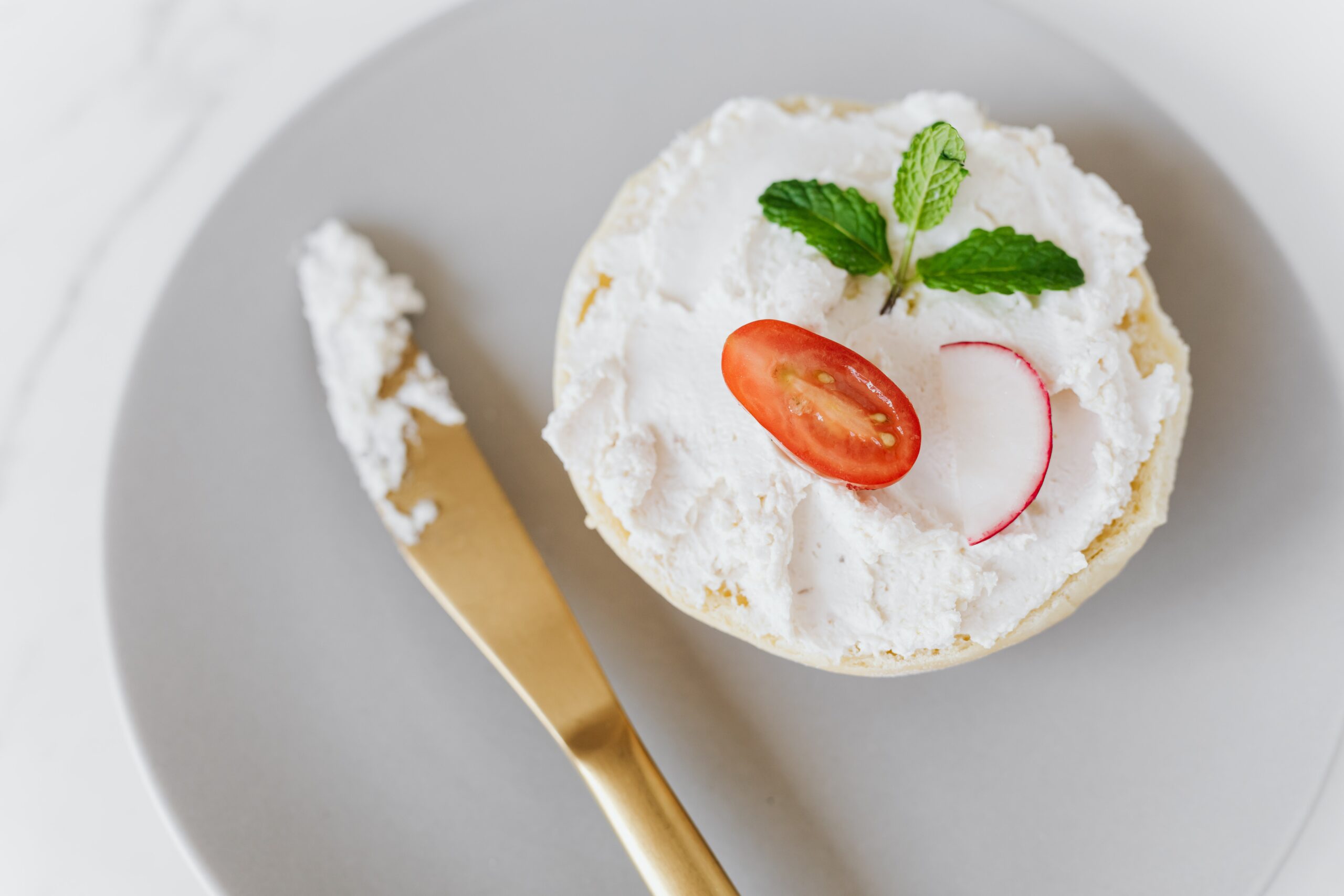
Cheese is a delicious food that can be enjoyed by pregnant women, as long as they eat the right types and avoid the ones that could potentially harm them.
Hard cheeses, mould-ripened cheeses, and unpasteurized cheeses should be avoided, as they contain high levels of bacteria that could lead to food poisoning. Pregnant women should also avoid eating too much cheese, as it could lead to weight gain and other complications.
What types of cheese are safe to eat during pregnancy?
When it comes to pregnancy and cheese, there are a few things to keep in mind. First, avoid unpasteurized cheeses. These cheeses can harbour bacteria that can be harmful to you and your baby. Second, opt for low-fat or nonfat cheese options whenever possible. Not only is this better for your overall health, but it will also help keep your calorie intake in check. Lastly, steer clear of mouldy cheeses. Some types of mould can produce toxins that can be dangerous for both you and your baby.
So, what types of cheese are safe to eat during pregnancy? Hard cheeses such as cheddar, Swiss, and Parmesan are all good choices. Softer cheeses like mozzarella and ricotta are also safe to eat, as long as they are made from pasteurized milk.
Unpasteurized cheese: what is it and why should you avoid it during pregnancy?
Unpasteurized cheese is made from raw milk that has not been treated to kill bacteria. It can contain harmful bacteria that can make you sick, including Listeria. Pregnant women are particularly at risk for Listeria infection, which can cause miscarriage, stillbirth, or premature delivery. To avoid unpasteurized cheese during pregnancy, only eat cheeses that have been pasteurized.
Pasteurized cheese: which types are safe to eat during pregnancy?
Pregnant women are often advised to avoid unpasteurized cheeses, but not all cheeses are unpasteurized. In fact, most cheese in the US is pasteurized. So, which types of cheese are safe for pregnant women to eat?
Pasteurized cheese is made with milk that has been heated to a high temperature, killing any harmful bacteria that may be present. This means that pasteurized cheese is safe for pregnant women to eat.
There are many different types of pasteurized cheese available, including cheddar, mozzarella, Swiss, and more. So, there are plenty of options for pregnant women who want to enjoy cheese without having to worry about food safety.
Of course, it’s always important to check the label on any cheese product to make sure it is pasteurized before eating it.
Soft cheeses: why are they considered safe during pregnancy?
Soft cheeses are often considered safe to eat during pregnancy, as they are less likely to contain harmful bacteria than hard cheeses. This is because soft cheeses are made with pasteurized milk, which kills any harmful bacteria. Hard cheeses, on the other hand, are made with unpasteurized milk, which can contain harmful bacteria that can cause food poisoning.
So why are soft cheeses considered safe during pregnancy? The answer is simple: they are less likely to contain harmful bacteria than hard cheeses. This is because soft cheeses are made with pasteurized milk, which kills any harmful bacteria. Hard cheeses, on the other hand, are made with unpasteurized milk, which can contain harmful bacteria that can cause food poisoning. So if you’re pregnant and looking for a cheese to snack on, reach for the soft cheese instead of the hard cheese.
Hard cheeses: which ones are safe to eat during pregnancy?
Pregnant women are often advised to avoid soft cheeses, but hard cheeses are generally considered safe. Here are some of the most popular hard cheeses and their safety during pregnancy.
Parmesan is a hard, salty cheese that is safe to eat during pregnancy. It can be used in moderation on salads, pasta, and pizza.
Cheddar is another safe choice for pregnant women. It’s a versatile cheese that can be eaten alone or used in recipes. Just be sure to avoid processed versions of cheddar, like “cheese food” or “cheese product.”
Gouda is another type of hard cheese that is safe for pregnant women to eat. It has a milder flavour than cheddar and can be used in the same way.
What are the general guidelines for eating cheese during pregnancy?
According to the American Academy of Pediatrics, cheese is generally considered safe to eat during pregnancy. However, there are a few things to keep in mind when eating cheese during pregnancy.
First, avoid unpasteurized cheeses, as they can contain harmful bacteria that can lead to foodborne illness. Second, choose lower-fat cheeses to help limit your intake of saturated fat. And lastly, watch your portion sizes – a small amount of cheese can go a long way in adding flavour to your meal!
Conclusion
In conclusion, it is important to be aware of the different types of cheese and their levels of listeria before consuming them during pregnancy. It is also essential to know how to properly store and handle cheese to avoid contamination. Furthermore, pregnant women should avoid eating raw cheese, as well as mouldy or unpasteurized cheese. Lastly, if you are unsure about a certain type of cheese, it is always best to consult with your healthcare provider.