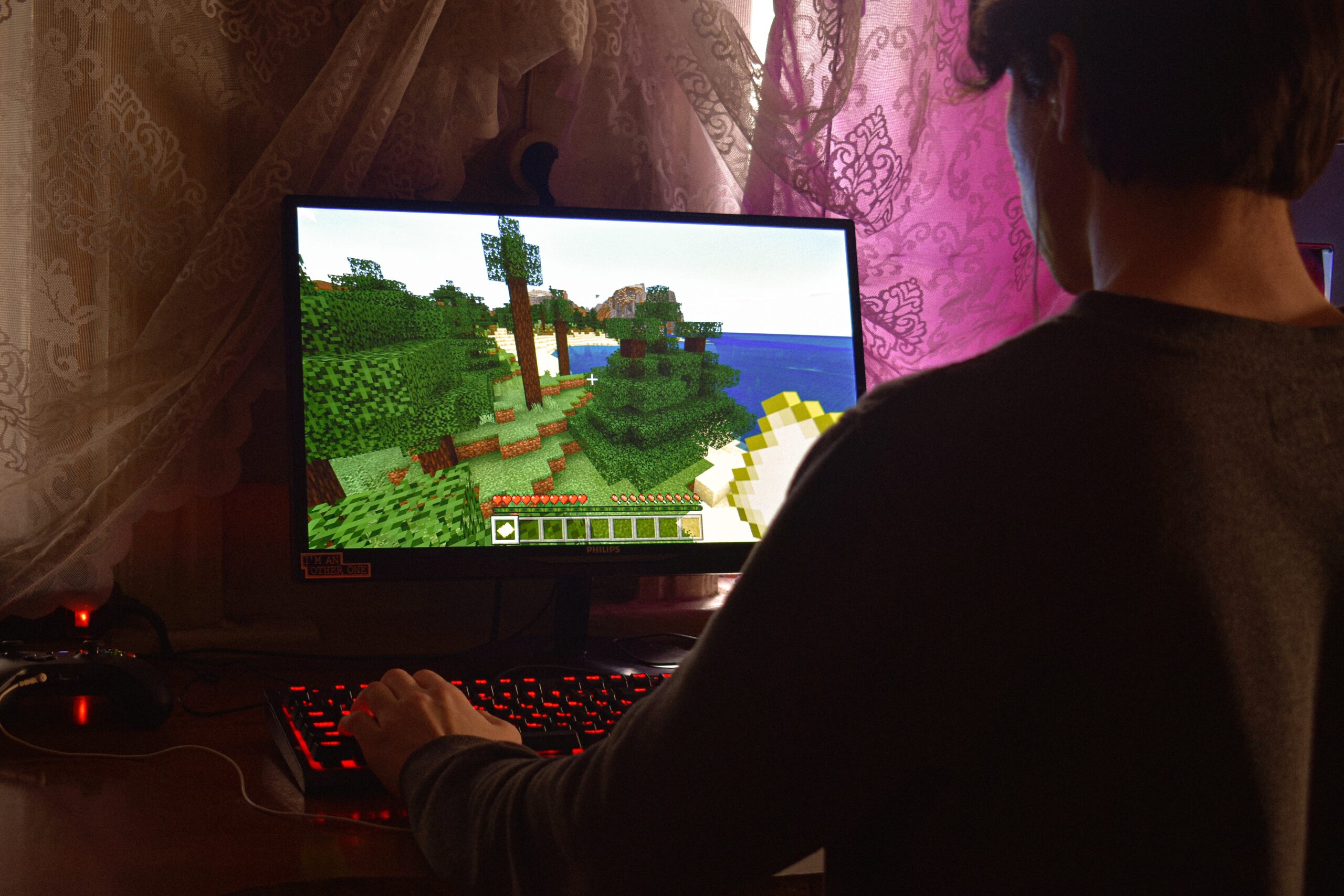
Video games have been a part of society for over 40 years. Though their popularity has ebbed and flowed, they have remained one of the most popular forms of entertainment throughout that time.
The average American teenager will spend 10,000 hours playing video games by the time they finish high school, more than they will spend on any other activity besides sleeping (Walsh). With such an investment of time, it is important to understand the effects video games have on teenagers. This article seeks to explore both the positive and negative effects of video game play on teenagers.
Positive effects of video games on teenagers
It’s no secret that teenagers love playing video games. In fact, according to a recent study, 97% of teenage boys and 83% of teenage girls play video games on a regular basis. But what are the effects of all this gaming? Are teenagers simply wasting their time, or could there be some benefits to playing video games?
Recent research suggests that there may indeed be some benefits to gaming for teenagers. For example, one study found that teenage boys who played video games were more likely to have better problem-solving skills than those who didn’t play. Another study found that teenage girls who played video games had better verbal skills than those who didn’t play. And a third study found that teenagers who played video games were better able to multitask than those who didn’t play.
So it seems that there may be some benefits to playing video games after all. Of course, too much of anything is never a good thing, so it’s important for teenagers to strike a balance between gaming and other activities. But if used in moderation, video games can actually be beneficial for teenagers.
Negative effects of video games on teenagers
It’s no secret that teenagers love playing video games. In fact, the average teenager spends about seven hours a week gaming. However, there is growing evidence that too much time spent playing video games can have negative effects on teenage gamers. For example, studies have shown that excessive gaming can lead to social isolation, anxiety, and depression.
Furthermore, teens who play violent video games are more likely to display aggressive behaviour. While playing video games can be a fun and harmless way to spend time, it’s important to moderate game time to avoid potential negative consequences.
How to strike a balance between the positive and negative effects
We all know that life requires a delicate balance. Too much of anything can have negative consequences, and that is especially true when it comes to the things we put into our bodies. Most substances, whether they are drugs, food, or even supplements, can have both positive and negative effects. It is important to strike a balance between the two in order to stay healthy. For example, many people take vitamins in order to ensure that they are getting the nutrients they need.
However, taking too many vitamins can actually be harmful. The same is true of most medications; they can help to alleviate symptoms but can also cause side effects. Striking a balance between the positive and negative effects of a substance is essential to maintaining one’s health.
Tips for parents who want to limit their child’s screen time
As a parent, it can be difficult to set limits on screen time. However, there are a few things you can do to help manage your child’s screen time. One tip is to set clear rules and expectations around screen time use.
Let your child know how much screen time is allowed, and stick to those limits. You can also create designated screen-free times and places in your home, such as during dinner or in the bedroom. Additionally, try to model healthy screen time habits yourself. If you’re constantly on your phone or watching TV, it will be harder for your child to limit their own screen time.
Finally, make sure to provide other opportunities for fun and learning outside of screens. Encourage your child to read, play sports, or explore nature. By following these tips, you can help your child develop a healthy relationship with screens.
The importance of moderation when it comes to anything in life, including video games
Most people know that moderation is important when it comes to food and alcohol. But what about video games? Just like anything else, playing video games can be unhealthy if you do it in excess. Spending too much time in front of a screen can lead to eye strain, headaches, and even neck and shoulder pain. And if you’re so focused on the game that you’re not paying attention to your surroundings, you could trip and fall or bump into something.
That’s why it’s important to moderate your video game playing. An hour or two a day is fine, but any more than that and you might start to see some negative effects. So next time you’re tempted to spend all day gaming, remember that moderation is key.
Conclusion
All in all, anything done in moderation is good for you. The same goes for playing video games. As a parent, it is important to monitor your child’s screen time and make sure they are striking a balance between school work and playtime. By doing so, you can ensure that your child reaps the positive benefits of gaming while avoiding the negative effects.